 0
0
 0
0
During summer in St. Louis, people experience warm nights and higher humidity. This is the perfect season for them to spend time outdoors. However, pest activity also increases during this season due to heat, moisture, and easy access to food. So, it is important to know which pests might share the fun with people during summer. This way, homeowners can minimize the risk and work with a St. Louis top pest control provider with experience in the kind of pests they are dealing with. Below are the common types of pests that might emerge during the summer:
Ants
Warm weather boosts ant colony growth and sends workers out in search of food. Ants are drawn inside due to crumbs, spills, and pet bowls. Also, their outdoor nests expand under sidewalks, patios, and driveways.
That is why ant control should start with food management. Store pantry items in sealed containers and wipe counters daily. Do not leave food residue on grills and patio tables. Seal cracks near doors and foundations to limit entry routes that ants rely on. Also, you can discourage repeat visits by reducing moisture near sinks and basements.
Mosquitoes
Mosquitoes become active once summer heat settles in. Rainfall creates standing water in gutters, planters, birdbaths, and low spots in yards. These areas allow mosquito larvae to develop fast. You can reduce mosquito populations by emptying water sources every few days. Clean gutters, refresh birdbaths, and fill yard depressions where water collects. Also, trim tall grass to reduce resting areas during daylight hours. Screens on windows and doors help block indoor access during peak evening activity.
Cockroaches
Cockroaches prefer warm, humid spaces, which makes summer ideal for their activity. They can get the moisture and food they need from kitchens, bathrooms, and laundry areas. They usually hide in cabinets, appliances, and wall gaps.
Roach control focuses on sanitation and moisture reduction. Fix leaks and dry sinks overnight. Also, store food properly. Reduce clutter in cabinets and storage rooms to remove hiding areas. In addition, seal cracks around plumbing and baseboards to reduce travel routes that roaches use to spread.
Wasps and Hornets
Wasps and hornets become aggressive during summer as nests grow larger. They can build nests in eaves, soffits, sheds, and fence posts. Increased activity near doors and patios increases the risk of people getting stung by these pests. Small nests are easier to manage before colonies expand. Keep trash bins sealed, since food odors attract foragers.
Flies
Flies increase during summer due to heat and organic waste. So, it is important to remove trash frequently to limit attraction. Clean drains with enzyme-based products to remove buildup that supports breeding. Store produce properly and wipe spills as soon as they occur.
Spiders
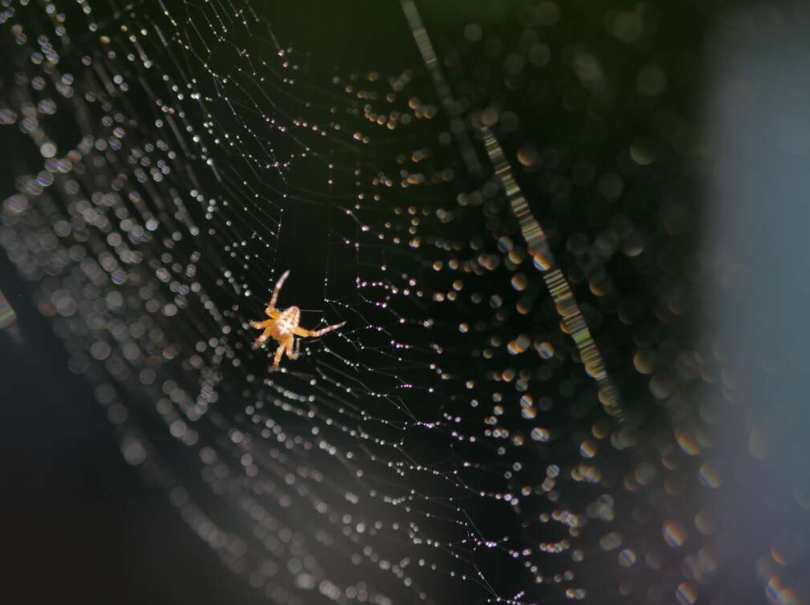
Spiders appear more often during summer because their food sources increase. As insects enter homes, spiders follow. They are usually found in basements, garages, and corners near lights.
Control focuses on reducing the presence of insects. Regular cleaning removes webs and discourages repeat activity. Sealing gaps around windows and doors limits insect entry, which also reduces spider traffic. Outdoor lighting placed away from doors helps keep insects from gathering near entry points.
Fleas
Fleas thrive during warm months and spread through pets, wildlife, and outdoor areas. Yards with shade and moisture support flea development. Pets bring fleas indoors, where infestations grow fast. Regular pet care can help control fleas. Wash pet bedding frequently. Vacuum carpets and furniture to remove eggs. Treat yards where pets rest or play.
Ticks
Ticks remain active throughout summer and pose health risks. They can hide in tall grass, leaf piles, and wooded edges. Pets and people carry ticks indoors after outdoor activity.
Yard maintenance reduces exposure to ticks. Keep grass trimmed and remove leaf debris. Create clear borders between lawns and wooded areas with gravel or mulch. Also, check pets and clothing after time outdoors to catch ticks before they spread indoors.